Young lawyers and experts have shared heartfelt opinions toward the national goal of having a new Constitution that is more progressive and aligned with reality.
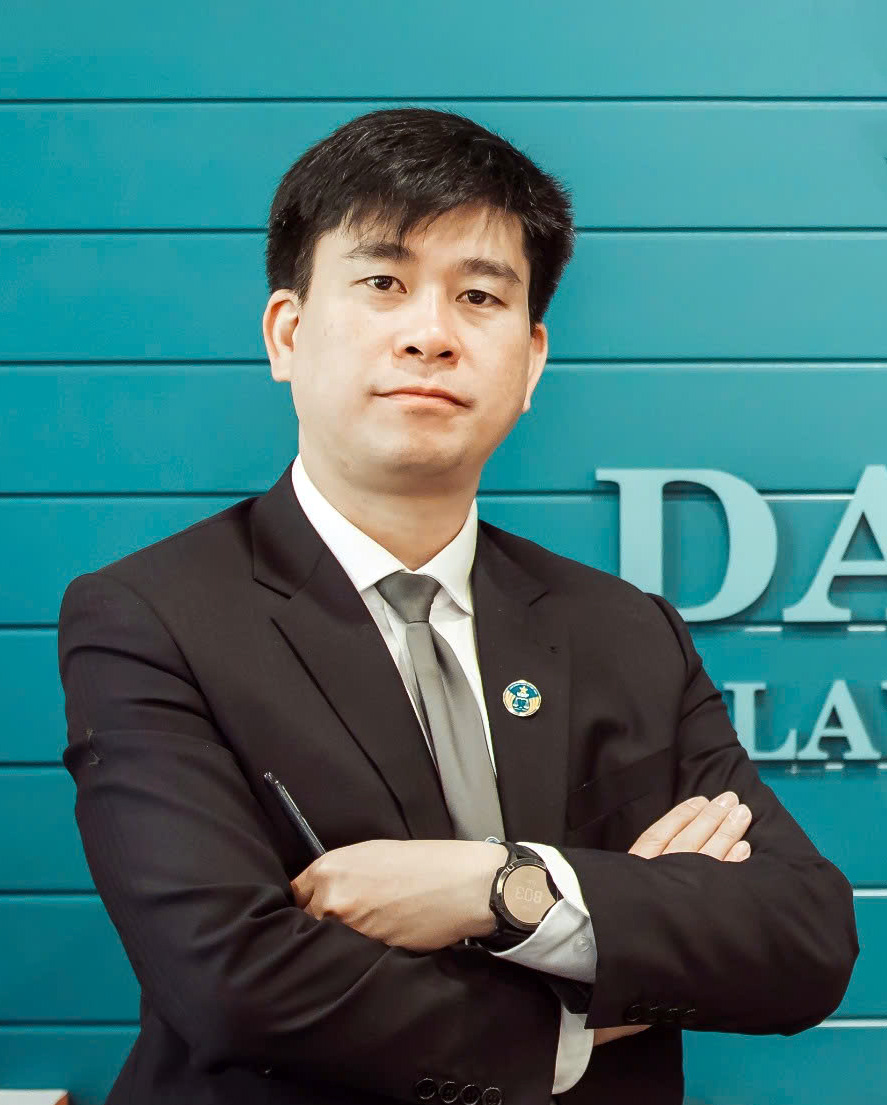
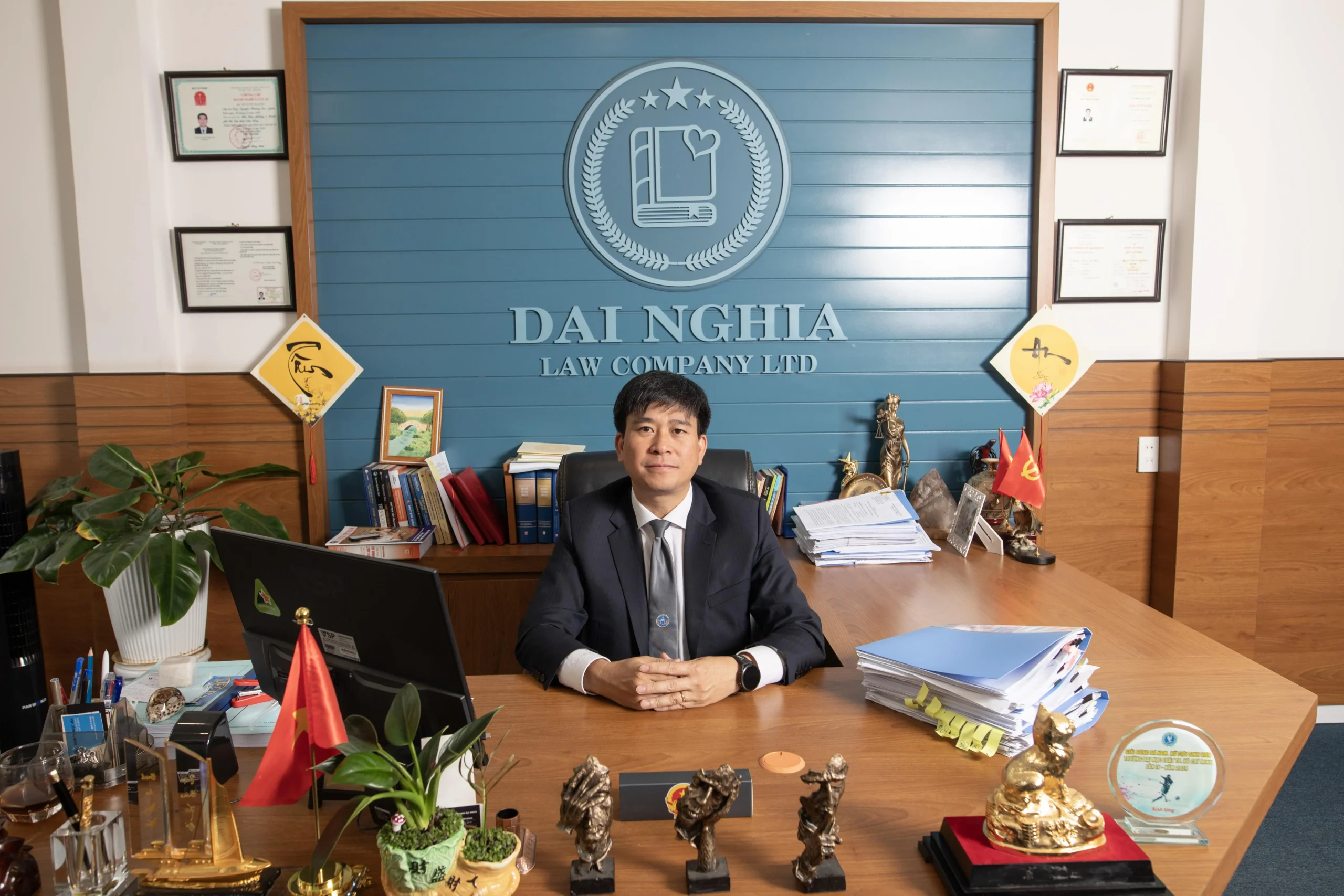
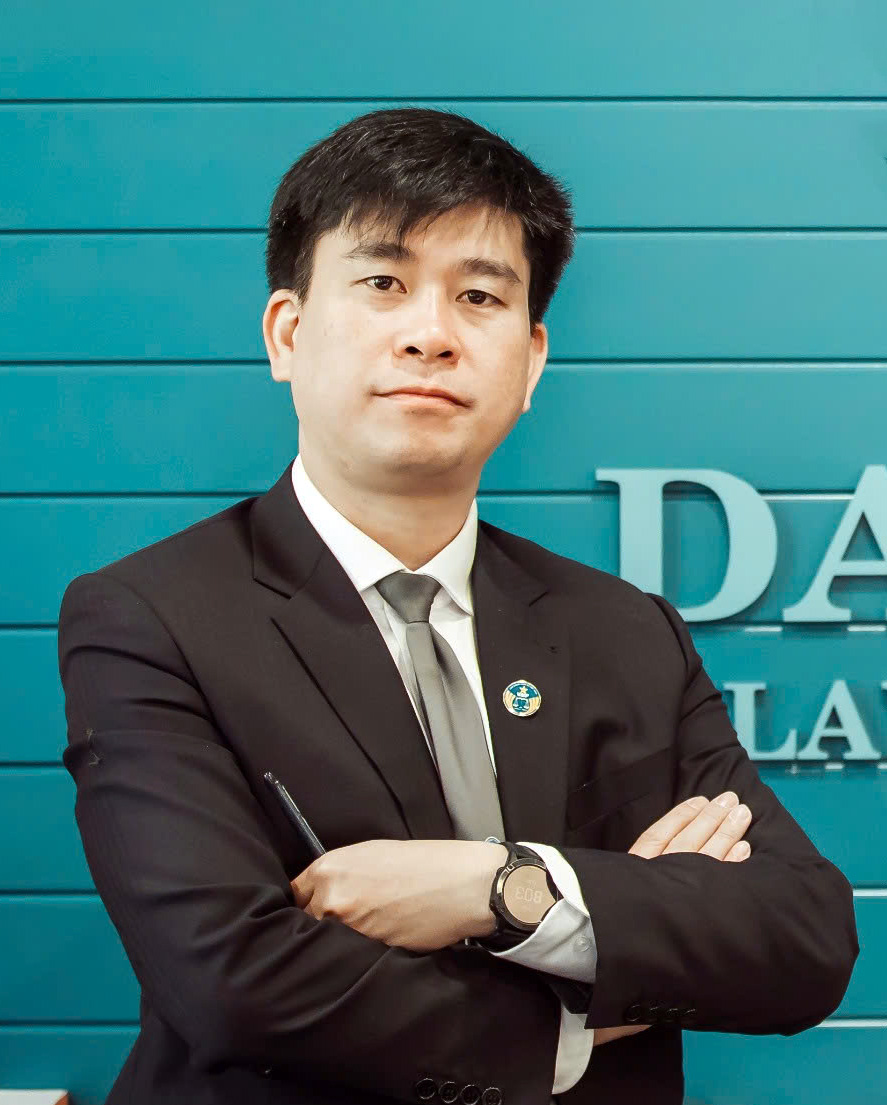
Lawyer Nguyen Phuong Đai Nghia (Lam Đong Bar Association) stated that amending the Constitution is an urgent requirement arising from practical development. – Photo: L.A.
Amending the Constitution is considered by legal experts to be an inevitable step in adapting to significant socio-economic changes both domestically and internationally.
An Urgent Demand from Practical Development
Lawyer Nguyen Phuong Dai Nghia of the Lam Đong Bar Association believes that: “The amendment of the 2013 Constitution is an urgent requirement to create a legal framework suitable for the country’s new development context, especially in promoting the private sector and implementing policies on restructuring and merging provincial-level administrative units”.
According to Mr. Nghĩa, although the 2013 Constitution recognizes the role of the private sector, it does not clearly identify it as one of the most important driving forces of the national economy.
He proposed revising Articles 51 and 53 to state that: “The private sector is an important driving force of the national economy” and “Lawful assets of individuals and organizations are absolutely protected by law and shall not be nationalized under any circumstances without consent and adequate compensation”.
At the same time, it is necessary to constitutionally guarantee fair access to land, credit, and production resources among all economic sectors.

Thaco’s automobile production line – Photo: Huu Hand
Regarding administrative organization, Mr. Nghĩa emphasized that the current Constitution lacks a clear mechanism for provincial mergers. Therefore, regulations should be added to allow “the reorganization of provincial-level administrative units for the purposes of governance efficiency, sustainable development, and strengthening national competitiveness.”
This process must be based on criteria such as population, geography, and socio-economic conditions, approved by the National Assembly, and ensure the rights and interests of citizens.
“Amending the Constitution must reflect a spirit of comprehensive reform for a nation that is facilitative, fair, transparent, and globally integrated. This is not merely a technical revision but the foundation for a new stage of development,” Mr. Nghĩa stressed.
Reform Must Go Hand in Hand with Power Oversight
Agreeing with this viewpoint, Ms. Le Thi Tho (38, Khánh Hòa Provincial Jurists Association) stated that each time the Constitution is amended, it is always associated with historic turning points. According to her: “Amending and supplementing the Constitution is not only a legal event but also a shift in mindset, institutions, and national strategic orientation.”

Lawyer Le Thi Tho (38, Khanh Hoa Provincial Jurists Association)
Ms. Tho paid special attention to the right of questioning held by delegates of the People’s Council (HĐND). She recommended retaining Clause 2, Article 115 of the 2013 Constitution regarding the right to question the Chief Justice of the People’s Court and the Head of the People’s Procuracy.
“Removing this right would weaken the supervisory role of locally elected bodies, affecting the balance of power, particularly in the judicial sector — which is directly related to human rights and justice,” she said.
According to Ms. Thơo, organizing questioning sessions under new conditions can be addressed through legislative technical solutions without removing the provision from the Constitution.
Lawyer Nguyen Xuan Thach (33, currently working in Khanh Hoa) also agrees with the policy of amending the Constitution.
According to Mr. Thạch, major issues such as human rights, personal rights, social equity, and the development of remote and disadvantaged areas need to be further emphasized. “I expect this constitutional amendment to provide momentum for the country to enter an era of rising growth and socio-economic development,” he shared.
The above opinions reflect high expectations that this constitutional amendment will not merely stop at updating regulations but will serve as an opportunity to shape a modern, flexible, and people-centered state model. A new Constitution — if developed in the right direction — will be a launchpad for a dynamic, innovative Vietnam capable of standing firm against global challenges.